Short Term Rental and Nuisance Response in Orlando Communities
Nexus Security Firm attends noise, party and guest complaints in Orlando community associations, documents what is happening with times and detail, and gives the board the record its fining process depends on. Officers hold Florida Class D licenses under agency license B 1900066.
What response coverage covers
An officer attends the address, observes from association property or the street, records what is occurring with times and specifics, makes contact where the post orders authorize it, and escalates to law enforcement or to the manager according to a document the board wrote. The product is the record.
The detail that makes a record useful is the detail a resident email never has: the time the noise started and the time it stopped, vehicle count and plates on the street and in the driveway, number of people on the pool deck, whether the amenity gate was accessed with a resident fob, and whether anyone identified themselves as the owner. Officers can also run scheduled passes on the streets where the rental houses cluster, which catches the arrival of a fifteen person group on a Friday evening and gives the manager warning before Saturday at 1am.
The communities where this comes up
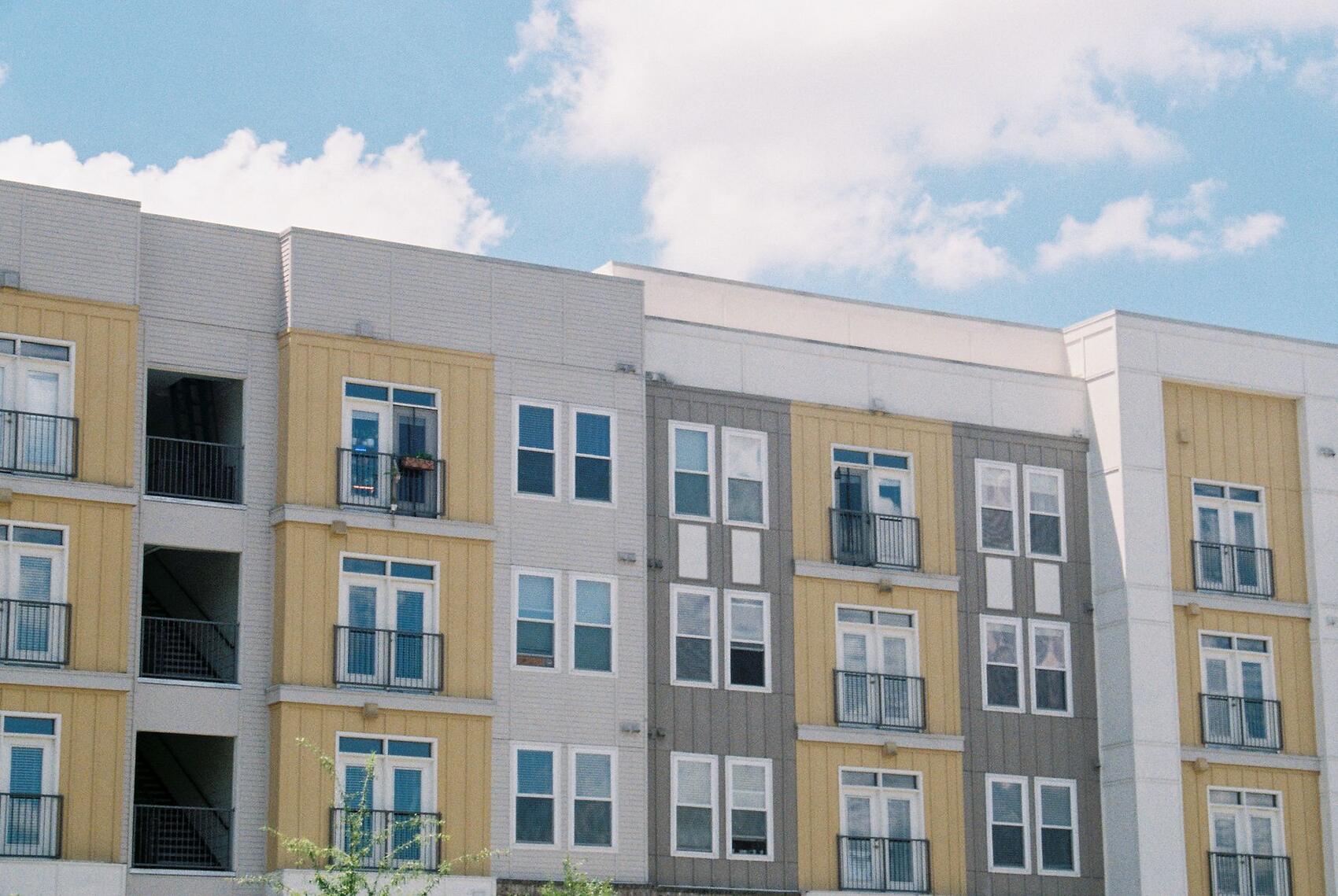
This is bought by boards in communities with rental houses on residential streets, and by boards whose rules restrict rentals and who are unable to prove a breach. The complaints are consistent: parties late at night, a car count no single family generates, groups using the pool with fobs handed over by the owner, garbage out on the wrong day, and an owner who does not return the manager's calls.
The other buyer is the board being told by its attorney that the fining file is too thin. Covenant enforcement against a rental owner turns on evidence, and a board holding six resident emails describing noise on unspecified evenings has very little. Attendance by a licensed officer who writes down what was observed changes what the committee is working with. Boards should also be realistic about what this cannot do, which is end a rental. That is a covenant and legal question and it belongs with your attorney.
The limits on what an officer can do at a rental house
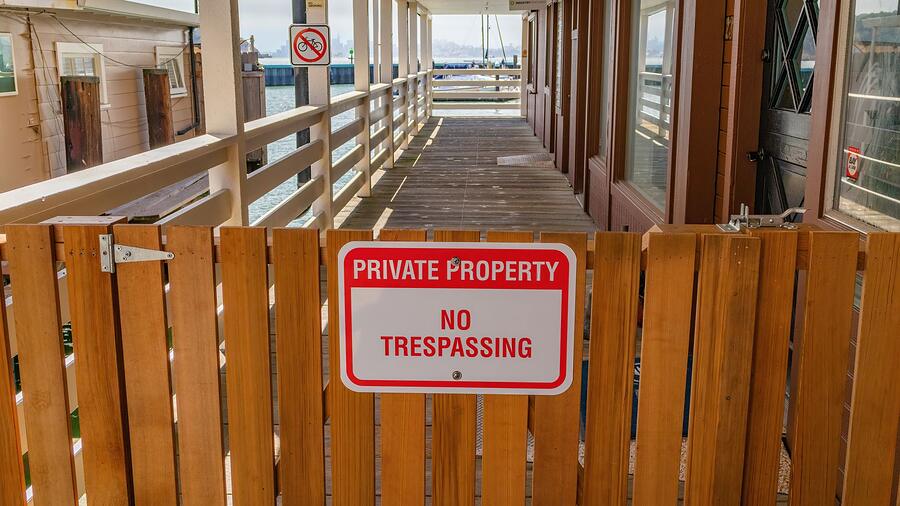
An officer stays on association common property or the public right of way, observes, documents and requests. An officer cannot enter the home or the private lot, cannot demand identification, cannot detain anyone and cannot make people leave a private residence. When a party will not quiet down and the situation is a police matter, it goes to the Orange County Sheriff or Orlando Police, and code questions about the rental itself go to county code enforcement.
Working officers are near unanimous on this point about their own trade, and they treat instructions to detain or physically handle people as grounds to refuse. A board writing post orders should write them to the same standard: attend, observe, document, request, escalate. An agency that promises a board it will shut down a party house is promising something it has no authority to do, and the association would share the consequences of the attempt.
How response coverage is priced, and the problem with on call
An officer can only respond from somewhere, so the real question is what the association is funding between calls. The straightforward pattern is scheduled coverage across the hours complaints happen: Friday through Sunday evenings, 6pm to 2am, is 24 hours a week and runs roughly $30,000 to $42,000 a year at $24 to $34 an hour. The band reflects unarmed officer wages of $14 to $18 an hour in Florida (ZipRecruiter, Salary.com and Indeed, August 2026) carried to a bill rate at the 1.5 to 2 times markup Belfry Software reported in 2026.
The cheaper pattern adds response to a patrol route already running in the area, so the association pays for checks and the officer diverts to a complaint between them. The cost depends on how much of the officer's night the association is buying.
What we will not do is write an arrival window into a contract. Any agency that puts a promised response time in front of a board is either charging for a dedicated officer sitting inside the community, or guessing. Ask a bidder who quotes you a response time exactly where that officer will be standing at 1am on a Saturday, and what else they are covering.
Why this is an Orlando problem in particular
Orlando received a record 76.7 million visitors in 2025 (Visit Orlando), and a large share of the ones who avoid hotels stay in houses inside residential communities in south Orange and Osceola counties. The result is ordinary neighborhoods absorbing a weekly turnover of visitors who have no relationship with the association, its rules or their neighbors.
Short term rental rules differ between Orange County, Osceola County, Seminole County and the municipalities inside them, and code enforcement is a county or city function separate from anything the association does. The association's lever is its own covenants and its fining process, and both of those run on documentation. Peak periods are predictable: spring break weeks, the summer, and the winter holiday stretch, which is when boards should concentrate coverage rather than spreading thin hours across the year.
Verifying the agency and the officers
Nexus Security Firm holds FDACS Class B agency license B 1900066, which the Florida Department of Agriculture and Consumer Services publishes on its public license search. On this service the license matters more than usual, because the record an officer produces may end up in front of an attorney, a magistrate or an insurer, and the person who wrote it may have to stand behind it.
Officers hold their own Class D licenses, requiring 40 hours of FDACS-approved training and valid two years (FDACS Division of Licensing). Ask each bidder for the agency number, check it, and ask who will attend at 1am on a Saturday in July.
What boards usually pair this with
Associations that buy this usually look at these at the same board meeting.
Setting up response coverage
The triggers and the limits are agreed with the board first, because an officer arriving at a private home without a written brief is a problem waiting to happen.
-
Send the complaint history and the rules
Which addresses, which nights, what the covenants say about rentals and guests, and what the attorney has advised about the fining process. That history sets the hours and the triggers.
-
We look at the community and the streets involved
Where the rental houses cluster, where guest vehicles overflow, how the amenity area is being accessed, and where an officer can observe from without stepping onto private property.
-
You get coverage patterns and a documentation standard
Scheduled weekend evening coverage, a seasonal pattern for peak weeks, or response added to a patrol route, each with a cost, plus a sample of exactly what the officer will record.
-
Post orders are signed, then coverage starts
The board decides when an officer makes contact, when the manager is called, when law enforcement is called, and what gets recorded every time. Officers work to that document and nothing beyond it.
Why boards use Nexus Security Firm for this
The record is built for the fining committee
A file of resident emails describing noise on unspecified nights loses to an owner who denies it. Our officers record times, counts, plates and observations, and incidents are documented and sent to the association, so the committee has evidence gathered by a licensed third party. Boards find the volume alone informative, because residents under report these incidents heavily and the board is usually seeing a fraction of what happens.
Managers consistently describe residents seeing something and saying nothing for days, often from fear of a neighbor's reaction.
No response time promise, and a reason
We state the hours we are on coverage and we do not put an arrival window in a contract, because an officer can only respond from somewhere. Where the association buys scheduled hours, the officer is already in the community for those hours. Where response rides on a patrol route, the description is coverage between checks, and the board should know which one it is buying.
Coverage gaps sold as coverage is the failure associations describe most often, including one that contracted four nights a week and was hit during the unguarded ones.
Officers stay inside their authority at a private home
Attend, observe from common property, document, request, escalate. No entry onto the private lot, no demands for identification, no detention. Post orders say when the sheriff gets called and when the manager does. This protects the association as much as the officer, because the exposure in this work comes from the step past the line rather than the step short of it.
Officers hold Class D licenses requiring 40 hours of FDACS-approved training (FDACS Division of Licensing).
What Reddit Says About Short Term Rental and Nuisance Response in Orlando
Two threads from these discussions apply directly. The first is under reporting: property managers repeatedly describe residents witnessing something and saying nothing, sometimes for days, often attributed to fear of retaliation from a neighbor. A board relying on complaints to measure a rental problem is measuring willingness to complain. Communities need reporting made easy and low profile, and an officer who documents what is in front of them fills part of that gap without asking a resident to put their name on anything.
The second is authority. Guards are emphatic that instructions to detain non violent people should be refused, on unlawful detainment exposure, and the sequence they describe as correct is to ask a person to leave and call police if they refuse. At a rental house on private property, the officer's authority is narrower again, which is the part a board needs to understand before it writes post orders.
There is also a warning worth carrying into a bid. Associations describe vendors who answer every failure with a promise to replace the guard while the arrangement stays the same, and boards describe thin coverage patterns sold as a solved problem, including one association that contracted four hours a night, four nights a week, and took break ins in the uncovered hours. Buy the hours the complaints are in.
A typical rental house complaint pattern
The situation: A common call from a board in a vacation home community in Osceola County. Six houses on two streets are rented weekly, complaints run to nine or ten a month, and they cluster between 11pm and 2am on Fridays and Saturdays. The fining committee has cited two owners and both appeals succeeded, because the file contained resident emails and no independent record. One owner lists amenity access as a feature of the rental listing.
What gets done: We review the complaint history and the covenants with the manager, then look at the streets and the pool deck on a Friday evening. Post orders are written with the board: attend on the manager's trigger or on an observed disturbance, observe from the street and common property, record time, vehicle count, plates visible from common property, occupancy on the deck and fob use at the gate, request quiet where the post orders authorize contact, and call the sheriff when the situation crosses into a police matter. Coverage is quoted as Friday through Sunday evenings through the peak season, with a lighter cadence outside it.
How it turns out: Within two months the committee has dated records against four addresses and the two appealed citations are refiled on evidence. The fob data shows a single owner's amenity cards being reissued to guests every week, which the board addresses through a rule change. The complaint volume falls fastest on the street where the officer is visible on a schedule, and the board scales the hours back after the season on the strength of the log.
Short term rental response questions boards ask
What an officer can do at a private home first, then how coverage is scheduled and priced.