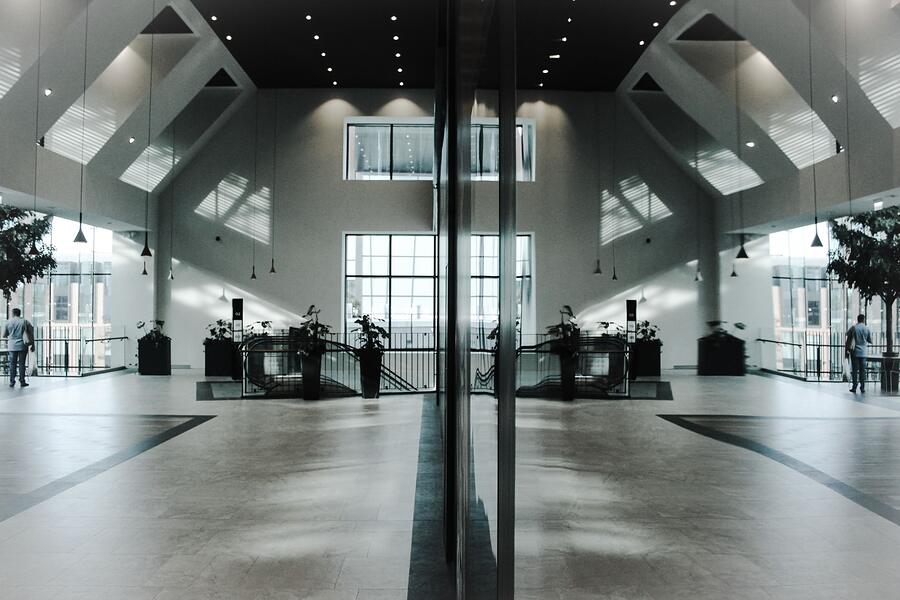
Clubhouse and Amenity Security in Orlando
Nexus Security Firm staffs pool decks, clubhouses, fitness rooms and rented event space for Orlando community associations, usually on the handful of hours a week where the trouble falls. Officers hold Florida Class D licenses under agency license B 1900066.
What an amenity post covers
An amenity officer controls access to the pool deck and clubhouse, holds people to the posted hours, and writes down what happened. In practice that is checking amenity cards or fobs at the deck gate, counting guests against the guest limit in the rules, asking people to leave at closing, walking the fitness room and the restrooms, locking the building, and documenting anything the board will hear about later.
The post also absorbs the small friction a manager would otherwise handle by email on Monday: the resident who props the gate, the party that exceeds the clubhouse rental agreement, the teenagers in the fitness room after hours, the glass bottles on the deck. Officers are security officers and do no lifeguarding or swim supervision, and no board should let a proposal blur that line. Post orders written with the board decide the answer to each situation so the officer is applying your rules rather than improvising.
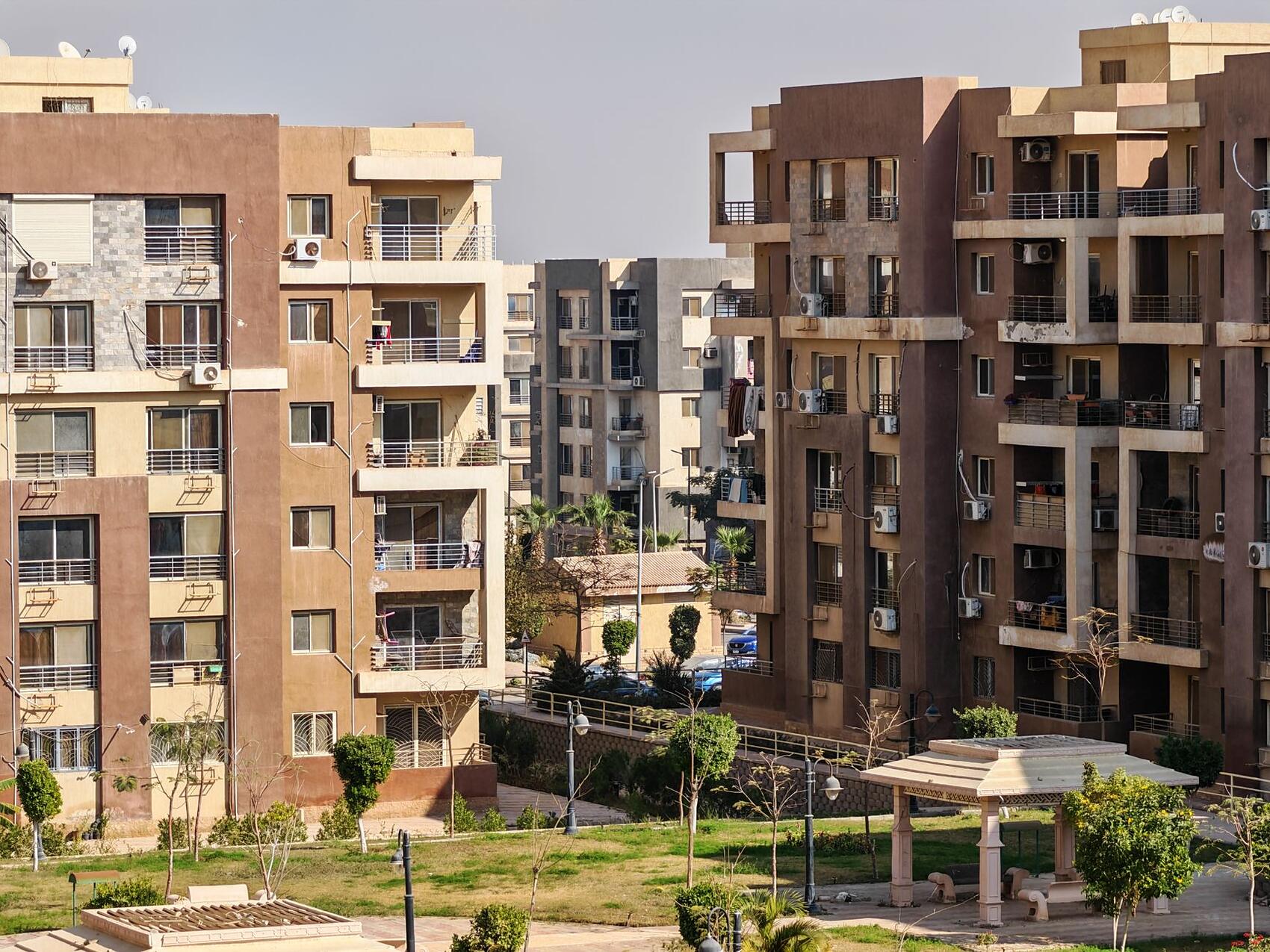
The complaints that lead a board here
Amenity coverage is usually bought after one of four things: non residents using the pool, after hours gatherings the sheriff has been called to more than once, damage in the clubhouse or fitness room that nobody can attribute, or a rash of guest limit abuse traced to short term rentals.
What makes this service unusual in a residential budget is that the problem is concentrated. Amenity trouble happens on weekend evenings, holiday weekends, and the stretch of the year when the deck is busiest. A board that funds sixteen hours a week in the right places frequently takes care of most of it, which is a different order of spending from a staffed gate. That concentration is also why we ask for the manager's complaint log before quoting. The hours have to sit on the actual pattern.
What amenity coverage costs
A Friday and Saturday evening post is about 16 hours a week, which at $24 to $34 an hour is roughly $20,000 to $28,000 a year. Unarmed wages in Florida of $14 to $18 an hour (ZipRecruiter, Salary.com and Indeed, August 2026) sit under that band, carried to a bill rate at 1.5 to 2 times the wage (Belfry Software, 2026).
Seasonal patterns cost less again. Four hours an evening, seven nights a week, across a 22 week pool season is about 28 hours a week and lands near $15,000 to $21,000 for the season. A single clubhouse rental post for a resident event is billed as a shift, and most agencies including ours carry a minimum billable shift, commonly four hours, which is the detail that surprises boards planning to staff a two hour party.
What moves the rate on this service: late night hours, holiday weekends, single short shifts that are hard to staff consistently, and any request for an armed officer. A board that can group its hours into predictable weekly blocks gets a better number than one buying scattered four hour shifts. Associations often pass the cost of an event specific post through to the owner renting the clubhouse, which is worth discussing with your attorney before it goes into the rules.
Amenity posts are unarmed and the authority is limited
These posts run unarmed. Arming should follow the risk a post carries and a pool deck on a Saturday evening is not that post, which is also the position working officers take about their own assignments. Officers hold Florida Class D licenses requiring 40 hours of FDACS-approved training, valid two years (FDACS Division of Licensing).
The authority itself has limits a board should know before a contract, because owners will test them. An officer can ask for an amenity card, refuse entry to the deck, ask a person to leave association property, and document all of it. An officer cannot detain anyone, cannot search a bag, and cannot use force to remove someone. When a person refuses to leave, the sequence is documentation and a call to the Orange County Sheriff or Orlando Police. Any bidder promising a board more than that is describing exposure the association would share.
What Central Florida changes about amenity coverage
The pool season here runs most of the year, so amenity pressure that other markets see for three months runs eight or nine in Orlando. Spring break weeks and the long stretch from April into October carry the heaviest deck use, and holiday weekends produce the incidents boards remember.
Short term rentals add a second layer in communities near the parks, where guests arrive expecting resort amenities and treat the deck accordingly. Orlando hosted a record 76.7 million visitors in 2025 (Visit Orlando), and a share of them are staying inside HOA communities. Multi phase communities with one shared amenity center see a third pattern, where owners from a later phase, guests and occasionally people from outside the community all use one deck and nobody at the gate knows which is which. An officer checking cards at the deck gate answers a question the entrance cannot.
Checking the agency license
Nexus Security Firm holds FDACS Class B agency license B 1900066, and the Florida Department of Agriculture and Consumer Services publishes a license search that confirms it. A board member can run that check during the meeting where the proposal is discussed.
Ask any agency bidding on amenity work for three things: the agency license number, whether the officers assigned hold current Class D licenses, and who supervises the post on a Saturday night. An agency that cannot answer the third question has told you how much attention a weekend post receives.
What boards usually pair this with
Associations that buy this usually look at these at the same board meeting.
Getting amenity coverage in place
The hours are designed around the manager's complaint log, so the board funds the pattern the problem has.
-
Send the complaint history
Dates and times of incidents at the pool, clubhouse and fitness room, plus any sheriff calls. Two months of resident emails usually shows the pattern more clearly than a description does.
-
We walk the amenity center
Deck gates and how they latch, the fob reader, sight lines from the clubhouse, the restrooms, the parking area and how someone from outside would arrive. We come at the hour the complaints are about.
-
You get hour patterns with annual totals
Usually a weekend evening post, a seasonal evening pattern and an event only option, each with the weekly hours, the hourly rate and the annual cost so the board can weigh them against the rest of the budget.
-
Post orders are agreed, then the post starts
Guest limits, card checks, closing time, what happens with a resident who refuses to leave, and whether the officer calls the manager or the sheriff first. The board owns that document.
Why associations run amenity posts with Nexus Security Firm
The hours go where the incidents are
We ask for the complaint log before quoting and build the pattern around it, because amenity trouble is concentrated in a way gate and patrol problems are not. Sixteen well placed hours a week frequently handles a problem a board had been told needed a full post, and the difference between those two numbers is most of a dues increase.
A weekend evening post of 16 hours a week runs roughly $20,000 to $28,000 a year at $24 to $34 an hour.
What the officer may do is settled before the first shift
A Florida security officer can check cards, refuse entry and ask a person to leave, and cannot detain, search or use force. Post orders written with the board say which situations get a call to the manager and which get a call to law enforcement, so the officer is never inventing the association rules at the deck gate at 10pm.
Officers hold Class D licenses requiring 40 hours of FDACS-approved training, valid two years (FDACS Division of Licensing).
The board gets a record it can act on
Incidents are documented and the documentation goes to the association with times, what happened and what the officer did. That is the material a fining committee needs and the material a board needs at renewal to judge whether the post earned its line. Residents under report amenity problems consistently, so a post frequently reveals a pattern the board was only seeing a fraction of.
Missing incident documentation is the complaint property managers raise most often about previous vendors.
What Reddit Says About Clubhouse and Amenity Security in Orlando
The most useful thing in these discussions for an amenity decision is what boards say about cameras. Skepticism about camera spending as reassurance in a low crime community is persistent, and one board reported its own attorney advising against association owned cameras altogether. A shopping center owner made the related point that recordings deter nobody when almost nothing gets prosecuted, and an unattributed video of clubhouse damage has the same problem for a board.
Under reporting is the other recurring theme. Property managers describe residents seeing something and saying nothing for days, sometimes out of fear of retaliation from a neighbor, which is why a board often believes it has three amenity incidents a season when it has thirty. A post that documents what it sees changes what the board is looking at.
On authority, guards are close to unanimous. Instructions to detain non violent people draw consistent advice to refuse, on unlawful detainment exposure, and the sequence they describe as correct is to ask the person to leave and call police if they refuse. Boards should write post orders that match that, because an officer following a bad instruction creates a claim the association is part of.
A typical amenity coverage decision
The situation: A common call from a condominium association in Orange County with a shared pool deck, a clubhouse available for owner rental, and a fitness room open with a fob until 10pm. Through the spring the deck has been busy with people nobody recognizes, a glass bottle broke in the shallow end, the fitness room mirror was cracked with no report filed, and the sheriff has been called twice on a Saturday night. The board is discussing a camera system and a full time officer in the same meeting.
What gets done: We walk the amenity center on a Saturday evening. The deck gate latch does not engage, so the fob reader is decorative, and a path from the adjacent apartment parking lot leads straight to it. We quote a Friday and Saturday evening post with the annual figure, a seasonal seven night evening pattern beside it, and an event only option, and we write down the latch and the two dead fixtures over the deck ahead of all three.
How it turns out: The board repairs the latch, adds the lighting, and contracts the weekend evening post through the busy season. The incident record over the first eight weeks shows most of the deck traffic arriving through the broken gate rather than as owner guests, which changes the board's view of the camera proposal and gives the fining committee dates for the two owners who were handing out fobs.
Amenity security questions boards ask
Hours and money in the first group, then what the officer may do on the deck.